Workshop Title:
Intersectionality and Anti-Racist Politics
Date:
June 21st, 2023 (GMT+1)
Organizer:
Department of Social Sciences, Northumbria University
Keywords:
- Intersectionality
- Race
- Racism
- Antiracist work
- Bias
Workshop Chair:
Personal Bio:
Dr Nafhesa Ali is a Lecturer in Sociology at Northumbria University and an interdisciplinary Sociologist with expertise in the everyday lives of racialized and minority communities. Her interests include ageing, migration, relationships and environmental sustainability.
Nafhesa's book titled Older South Asian women's experiences of ageing in the UK: Intersectional feminist perspectives is forthcoming in 2023. Her previous publications include two books, Storying Relationships (2021) and A Match Made in Heaven: British Muslim Women write about Love and Desire (2020) and journal publications in Sexualities, Ethnicities, Ethnic and Racial Studies and Cultural Geographies. Nafhesa is lead for the Power and Intersecting Inequalities (PII) Research Cluster in the Department of Social Sciences at Northumbria University.
Workshop Description:
Background:
Intersectionality sits in critical inquiry that reflects feminist theory and antiracist politics. Introduced by Kimberlé Crenshaw in 1989, it originates from Black feminist critique with an aim to highlight the issues and problems of having single-axes frameworks for the examination of categories such as gender and race. Crenshaw argued that this previously used single axis framework, where gender or race had been examined through individual master categories, was problematic. She added that feminist theory lacked value for Black women as it evolved from a white racial context, which is seldom acknowledged, and as a result created privilege which continues to marginalise the experiences of minority groups and individuals, in terms of how they are positioned in the world, in relation to their subjective experiences - their ways of knowing and doing - and how divisions of power and resistance come about as a result.
Goal/Rationale:
The exploration of how privilege and power is mobilized and how this adds to the interplay of multiple intersections that add to the experience of oppression is useful to understand in the creation of policy making, its delivery and implementation. Separation often creates hierarchies that underpin racism and various similar structures of power. Where these boundaries of separation are, are telling of how power is exercised and who gets to do intellectual work in the first place. Challenging oppressions through distinct, individual, categories means that you only tackle one issue at a time. Whereas, with intersectionality when several categories are looked at across their overlapping intersections allows potential biases to be challenged, but also draw attention to alternative ways of conceptualizing intersectional subjects that enriches antiracist work. Even though intersectionality and recognizing that these categories are interconnected is no longer novel, the framework continues to lie in the heart of theoretical analyses of social inequality that disrupts the logic of segregation that underlines Western knowledge. This workshop aims to explore how intersectionality and its foundation in antiracist politics can seek to dismantle, race, discrimination and bias in policy making, delivery and implementation.
Scope and Information for Participants:
Intersectionality calls for a greater attention to those being examined through the lens of equality, fairness and inclusion. Therefore, intersectionality is an approach that not only ensures the avoidance of homogenising people and disregarding their multiple intersections, but also draws attention to structural inequalities at place. This workshop will, therefore, seek to explore and ask questions around 'change'. How can change happen? What do we need to do to achieve this? and is it possible to deliver real change via social policy design, delivery and implementation? The workshop will therefore ask, first, how we can make real change by addressing anti-racist politics within policy design and implementation, and second, look at how intersectionality, used correctly, can prove to be a) a useful tool that seeks to increase inclusivity and diversity within policy making and its delivery and b) can draw attention to areas that are being overlooked.
Highlights:
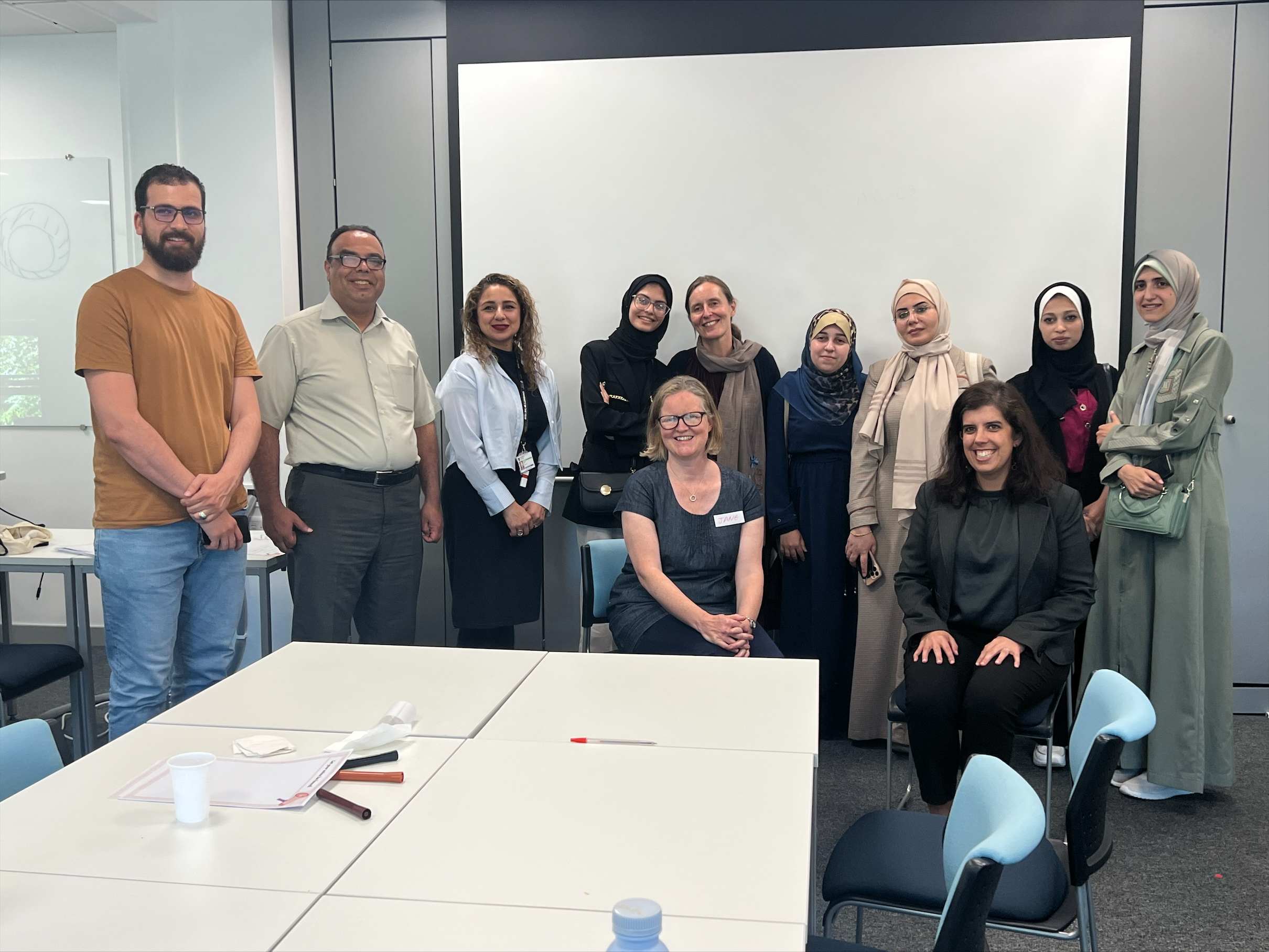
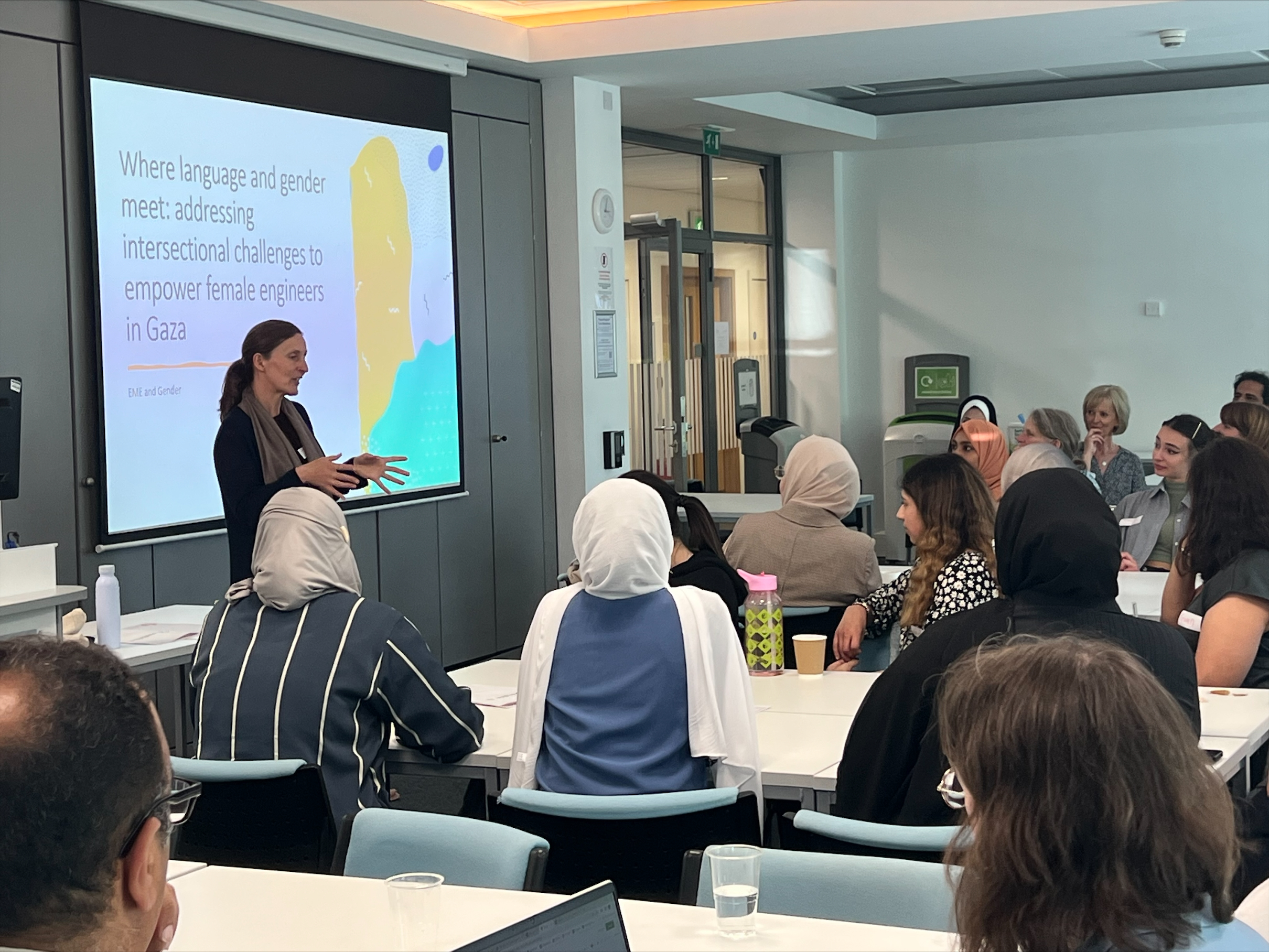
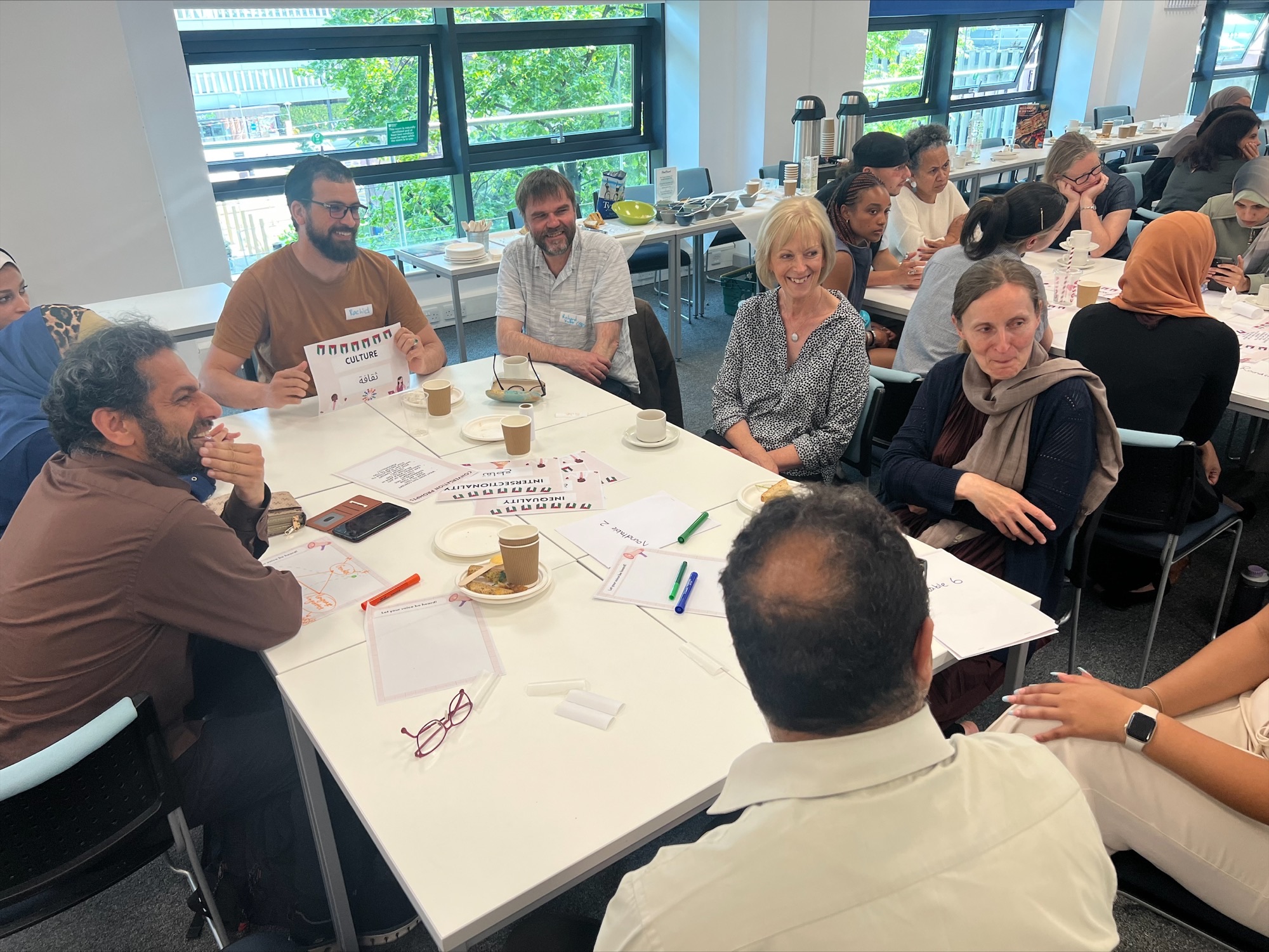
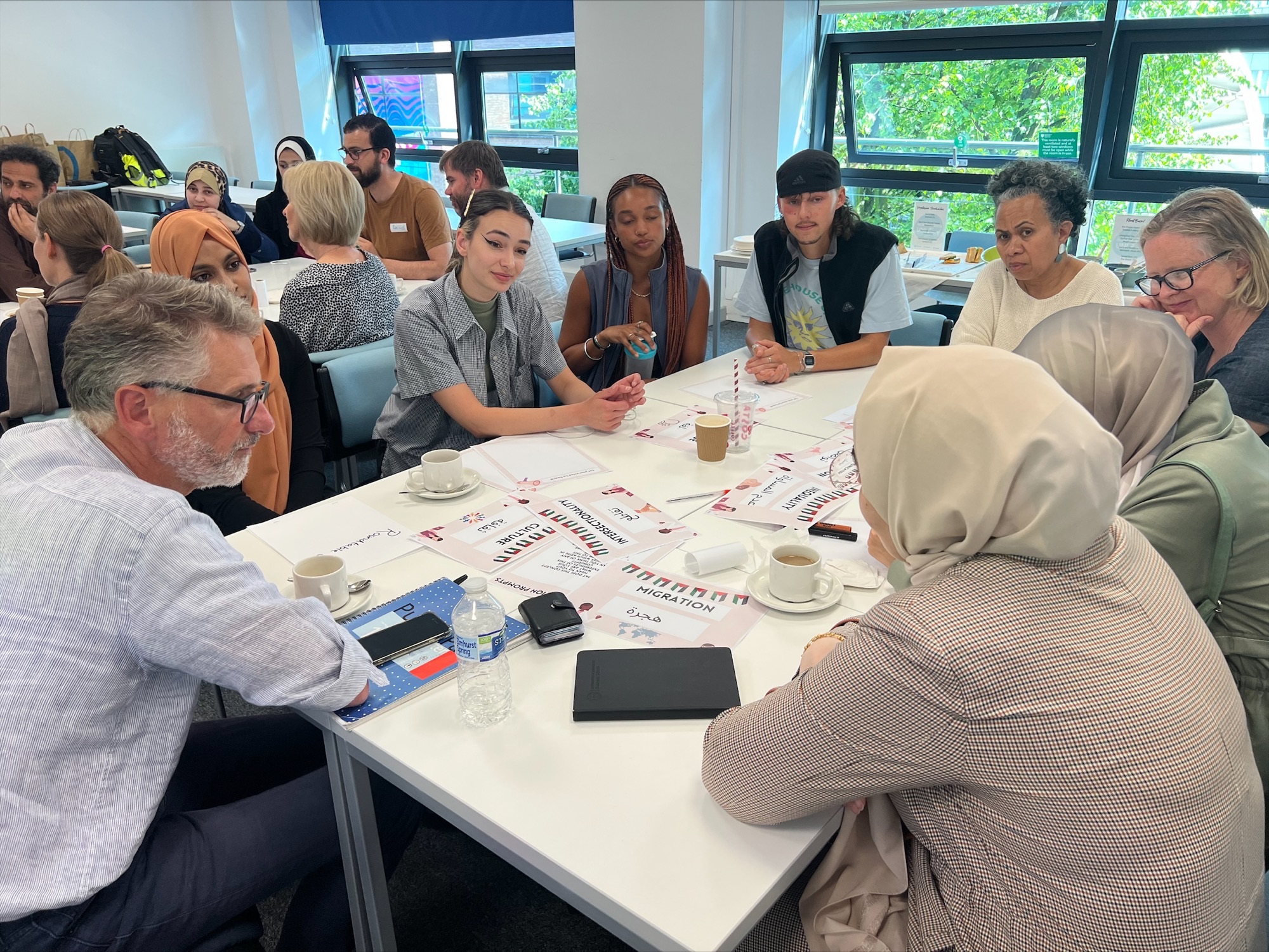
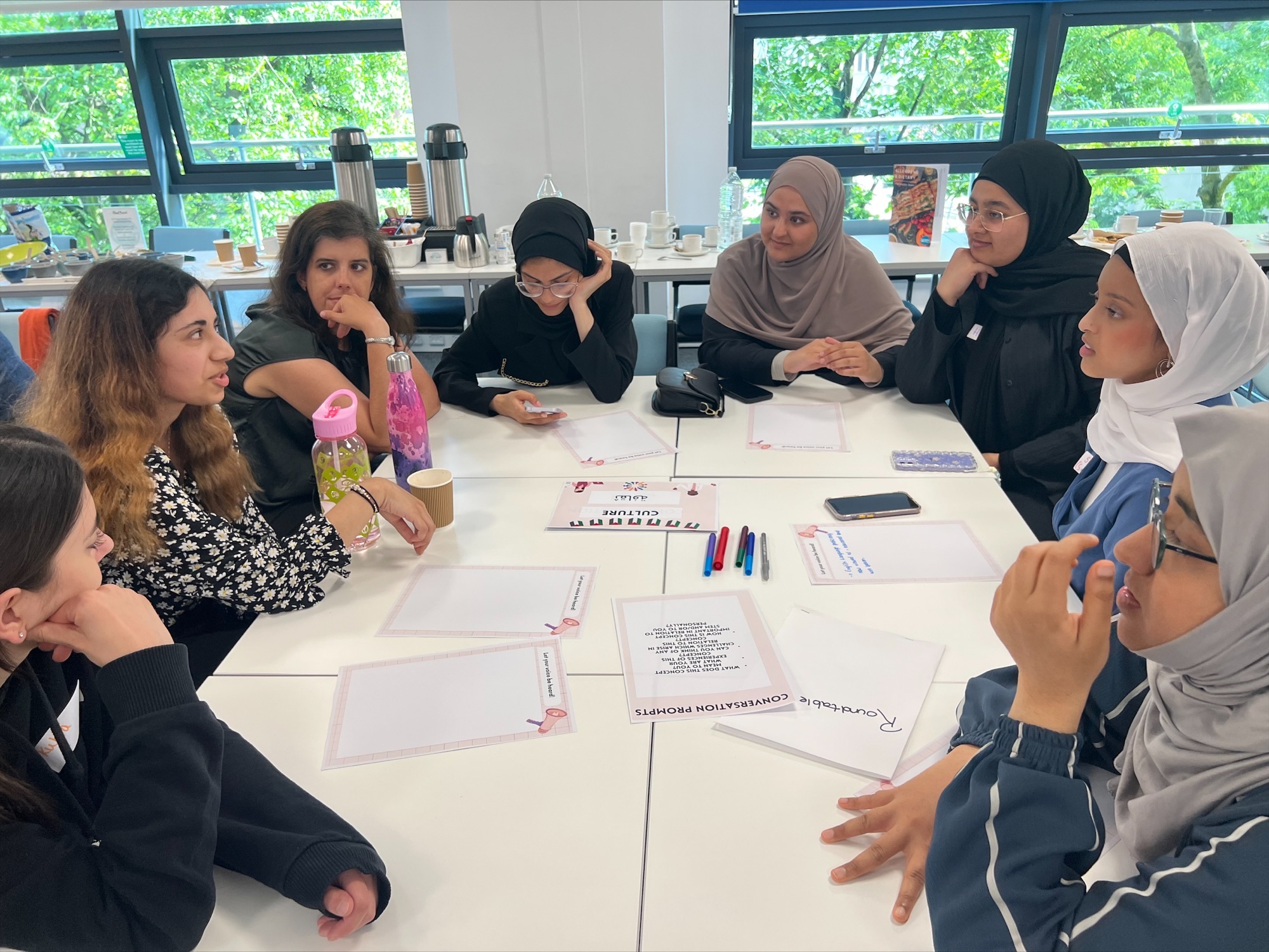
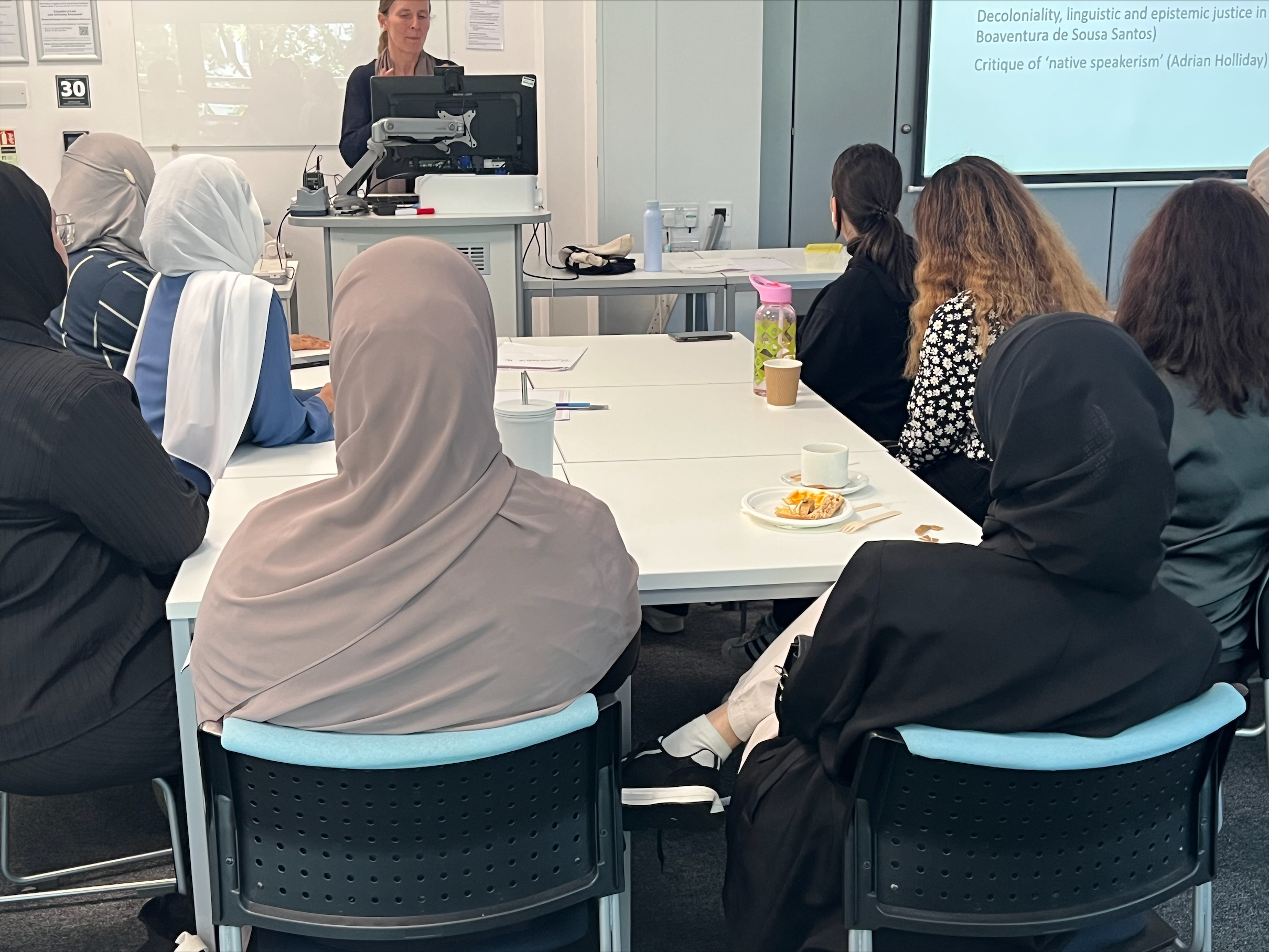
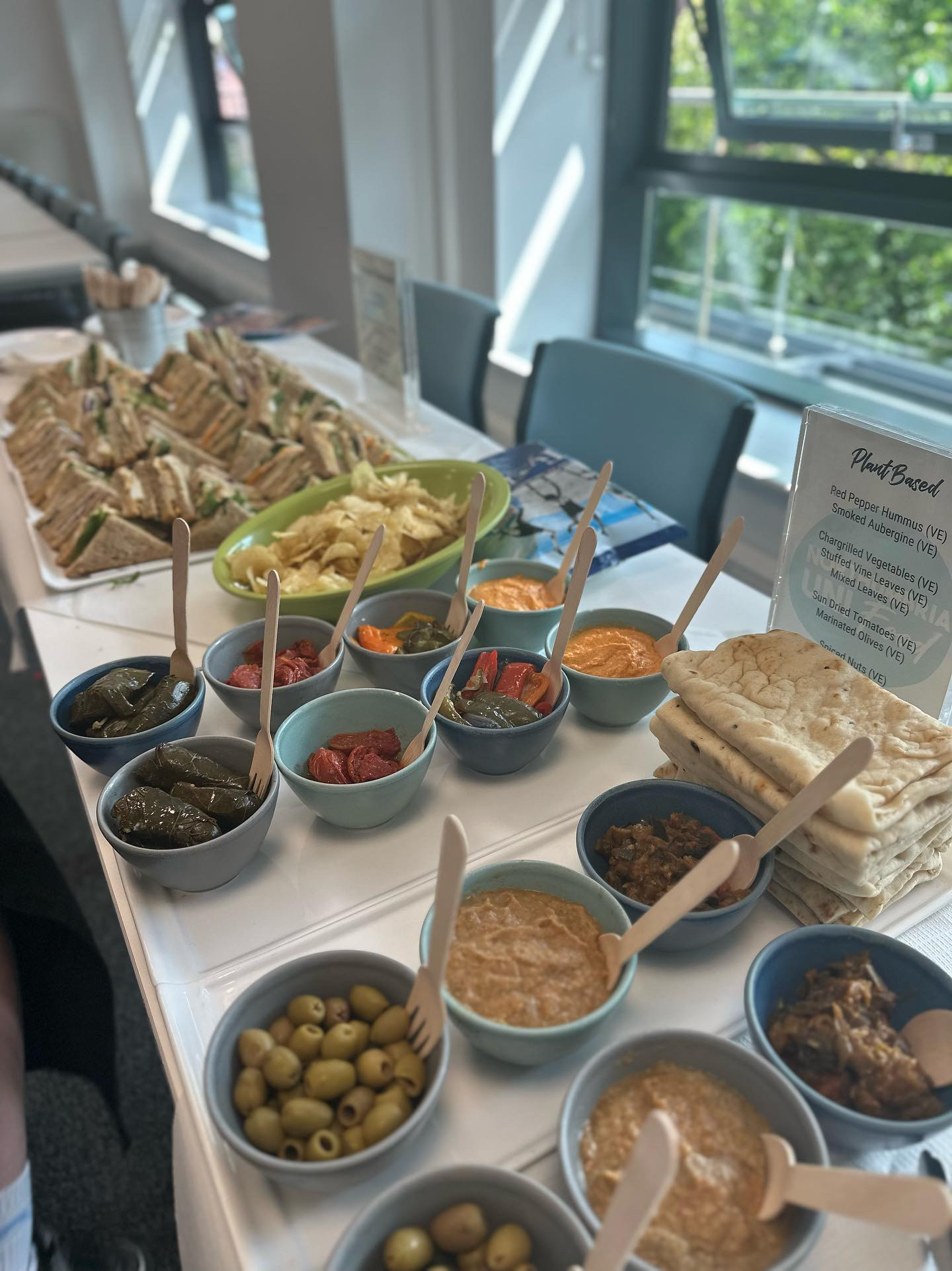
The ICGPSH workshop was held in June 2023 at Northumbria University where we explored the ways in which intersectionality and antiracist politics become visible or exacerbated for women exploring Science, Technology, Engineering and Maths (STEM) subjects. The workshop therefore aimed to provide a space to critically conceptualise our shared research interests around issues of social inequalities, power, social justice, where the work of the cluster further aims to provide a voice to seldom heard groups.
The workshop was an interdisciplinary collaboration and guests were invited to talk about their experiences around intersectionality, different ways in which power and inequality is experiences, but also the ways in which power, intersectionality and inequality is constructed across global perspectives, experiences, and knowledge in active roundtable discussions.
Forty guests and participants attended on the day, including internal and external Higher Education (HE) staff, undergraduate and postgraduate students from various HE institutions including Northumbria, The University of Newcastle and Nottingham University, local race organisations as well as members of the public who joined us on the day.
We received immensely positive feedback from the workshop participants and look forward to hosting more events and workshops in 2023/24.
Access to Workshop:
ICGPSH 2023 Workshop -- NewcastleVenue:
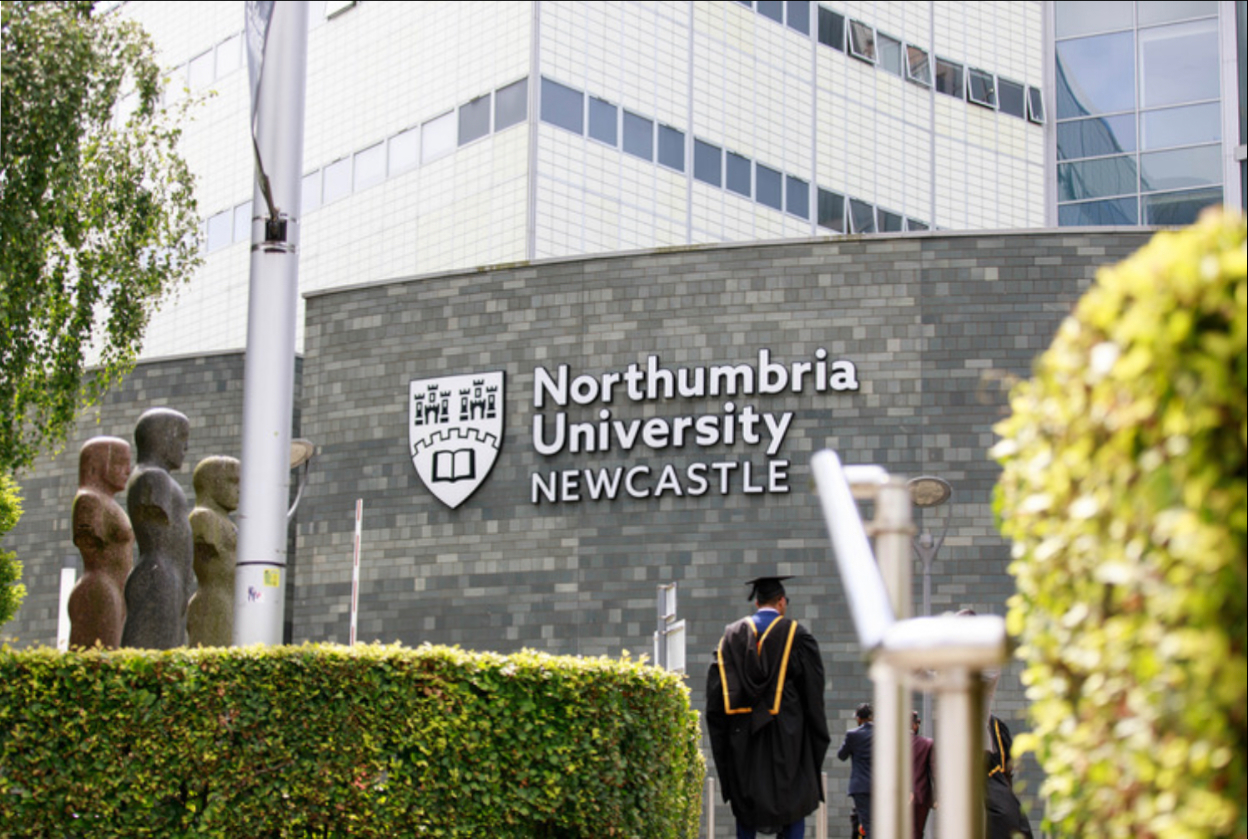
Sutherland Building, Newcastle-Upon-Tyne NE1 8ST, Northumbria University, UK
VISA:
https://www.gov.uk/UK Visa Information
What you need to do
- Check if what you plan to do in the UK is allowed as a Standard Visitor.
- Check you meet the eligibility requirements.
- Check if you need to apply for a visa to visit the UK.
- Apply for a Standard Visitor visa online - if you need one.
Check you meet the eligibility requirements
You must have a passport or travel document to enter the UK. It should be valid for the whole of your stay.
You must be able to show that:
- you'll leave the UK at the end of your visit
- you're able to support yourself and your dependants during your trip (or have funding from someone else to support you)
- you're able to pay for your return or onward journey (or have funding from someone else to pay for the journey)
- you'll not live in the UK for extended periods through frequent or successive visits, or make the UK your main home
Check if you need a visa to visit the UK
Depending on your nationality, you'll either:
- have to apply for a Standard Visitor visa before you travel to the UK
- be able to visit the UK for up to 6 months without needing a visa
You can check if you need a visa before you apply.
If you do not need a visa, you must still meet the Standard Visitor eligibility requirements to visit the
UK. You may be asked questions at the UK border about your eligibility and the activities you plan to do.
Important Info
Template:
Key Dates:
Final Submission Deadline: October 06, 2023
Notification of Acceptance: 7-20 workdays
Conference Date: October 13, 2023
Venue:
Oxford, UK
Newcastle, UK
Washington, USA
Austin, USA
Galati, Romania