Workshop Title:
Intersectionality: Acknowledging the Reality of the Differences among Us
Date:
September 28th, 2023 (GMT-5)
Organizer:
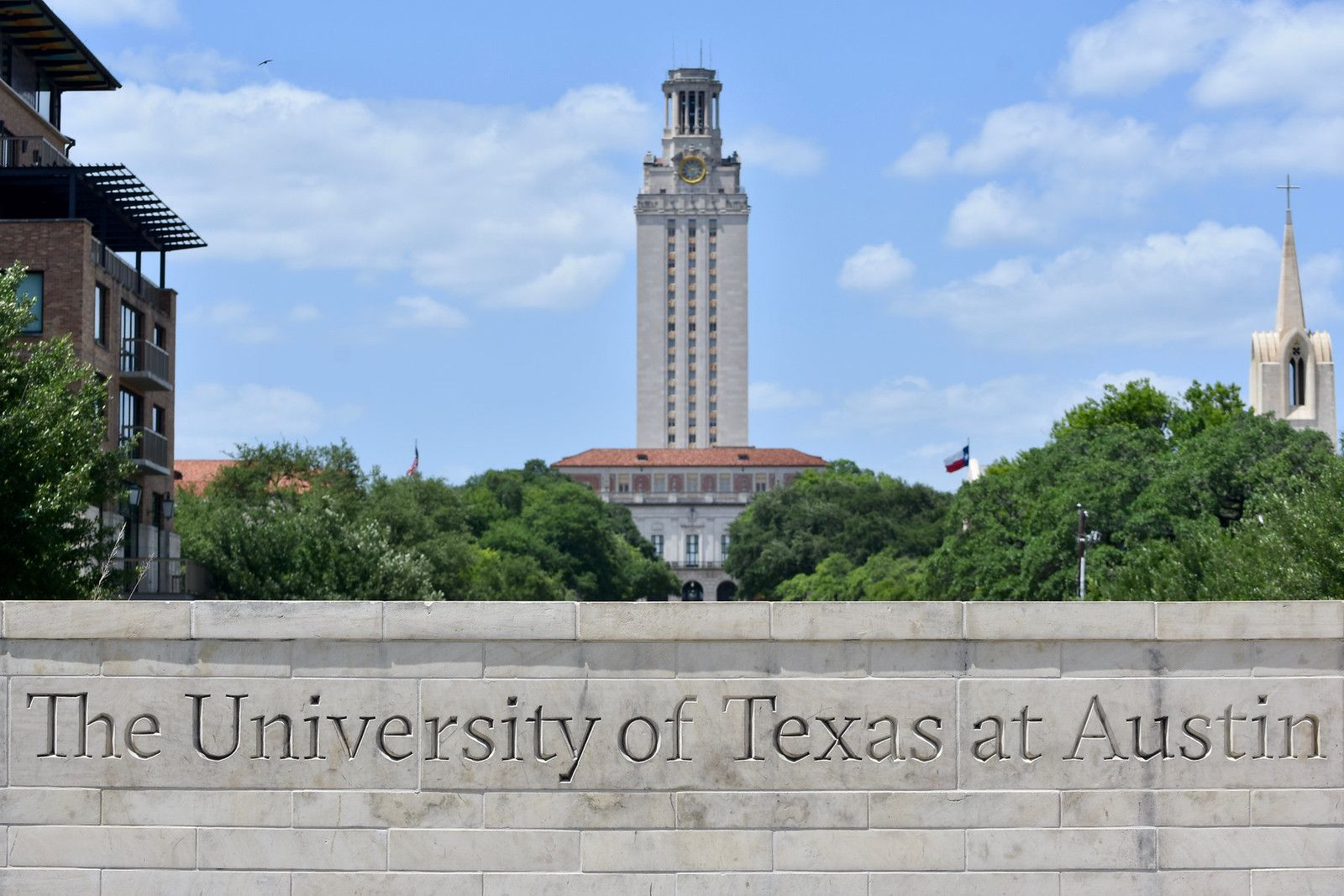
Department of Kinesiology & Health Education, The University of Texas at Austin
Keywords:
- Sociology
- Intersectionality
- Competence
- Multiculturalism
- Diversity
- Equity
- Inclusion
- Belonging
Workshop Chair:
Personal Bio:
Dr. Aquasia Shaw is an assistant professor of instruction at the University of Texas at Austin. She teaches in the area of Physical Culture and Sports Studies. Her interests cover sociology, management, diversity, and social justice aspects of sport. Dr. Shaw's research specifically engages sociocultural, historical, and philosophical experiences of individuals engaged in sport and physical activity.
Workshop Committee Members:
Dr. Joshua Childs, University of Texas, Austin
Ms. Shannon Marshall, University of Texas, Austin
Dr. Darren Kelly, University of Texas, Austin
Workshop Description:
Background:
Intersectionality is the acknowledgement that everyone has their own unique experiences of discrimination and oppression, and we must consider everything and anything that can marginalize people - gender, race, class, sexual orientation, physical ability, etc. The interconnected nature of social categorization systems creates overlapping and interdependent systems of discrimination and/or disadvantage that further isolates and excludes individuals creating an experience that is unique from others around them. Research shows that Black women, and others with intersectional identities, have less access to training, have received less mentorship and sponsorship, and have less frequent opportunities to interact with senior leaders. Organizational diversity and inclusion programs that do not take intersectionality into account risk overlooking these experiences, failing to provide the tools necessary for everyone to be successful.
Goal/Rationale:
How can cultural competence and sensitivity training address the inherent biases and/or misconceptions that we hold against others? Human lives cannot be explained by considering merely single categories because individuals' lives are multi-dimensional and complex. Lived realities are shaped by different factors and social dynamics operating together. Taking the time to understand the damage the interlocking aspects of someone's identity can have on the various aspects of their everyday life is crucial to progressing in diversity and inclusion.
Scope and Information for Participants:
This workshop intends to explore ways organizations and individuals can improve on intersectionality. Too many believe that intersectionality means that minorities should get special treatment or have special standards. Working to improve intersectionality not only helps marginalized populations to feel centered and heard, but let's all individuals become better practitioners, colleagues, and professionals. Organizational diversity and inclusion programs that do not take intersectionality into account risk overlooking systems that perpetuate and advance wage inequality, lack of professional development, hiring discrimination, turnover rates, and unethical workplace environments. To battle and combat such issues we will learn how to:
- Recognize individual identities.
- Create a culture of acknowledgement and understanding.
- Capture diversity of thought
- Learn to educate others to recognize and appreciate intersectionality.
Highlights:
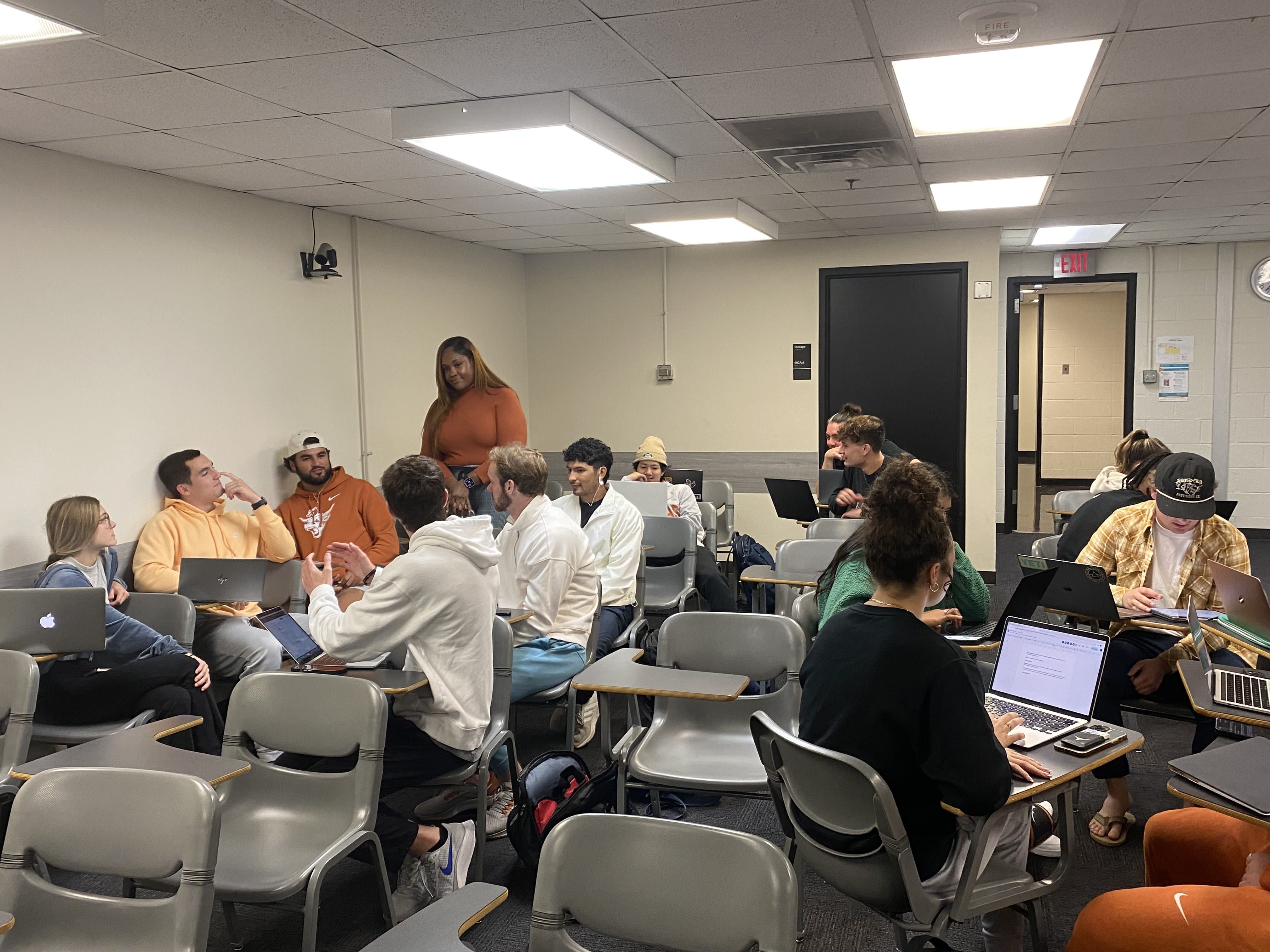
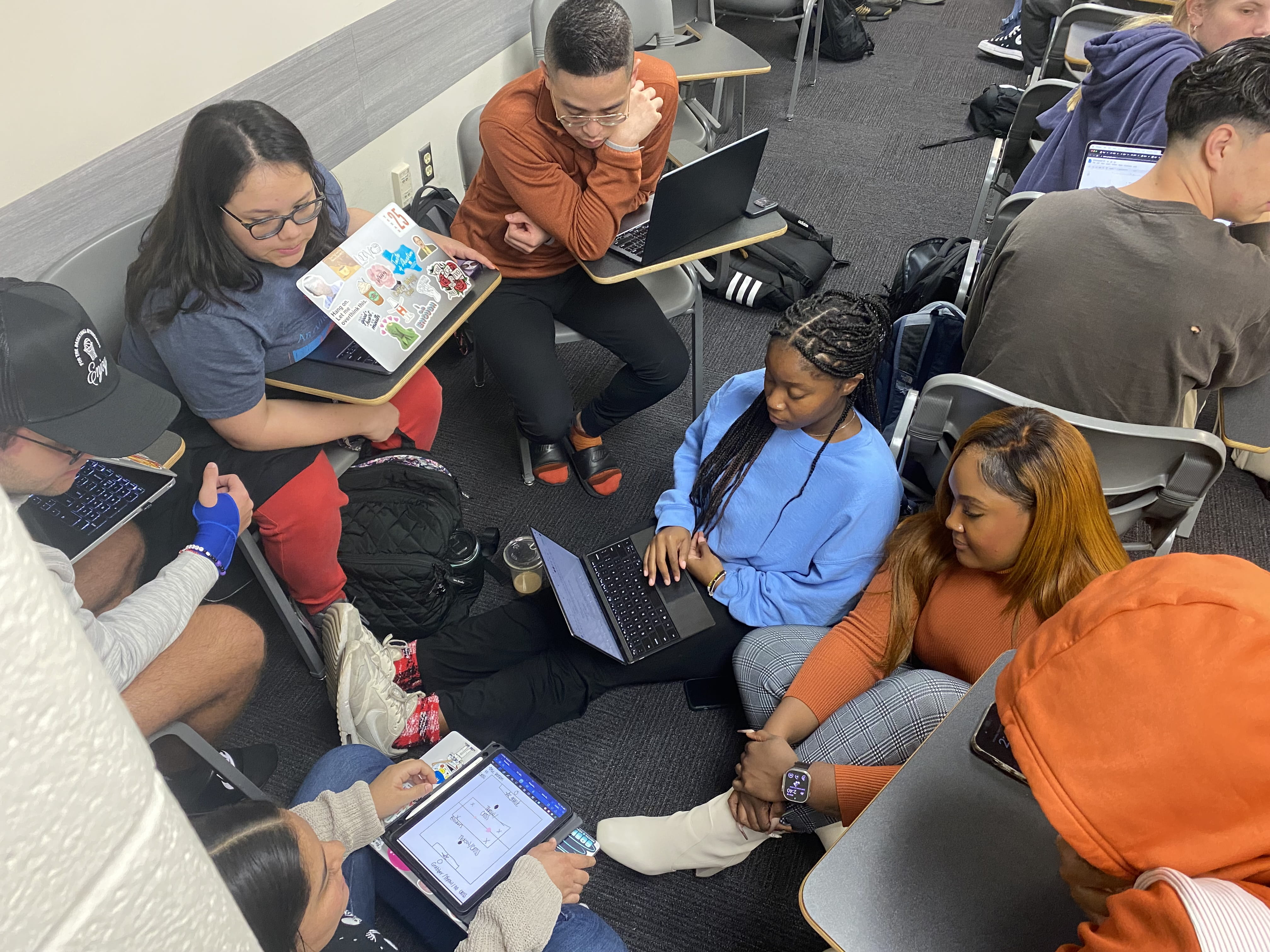
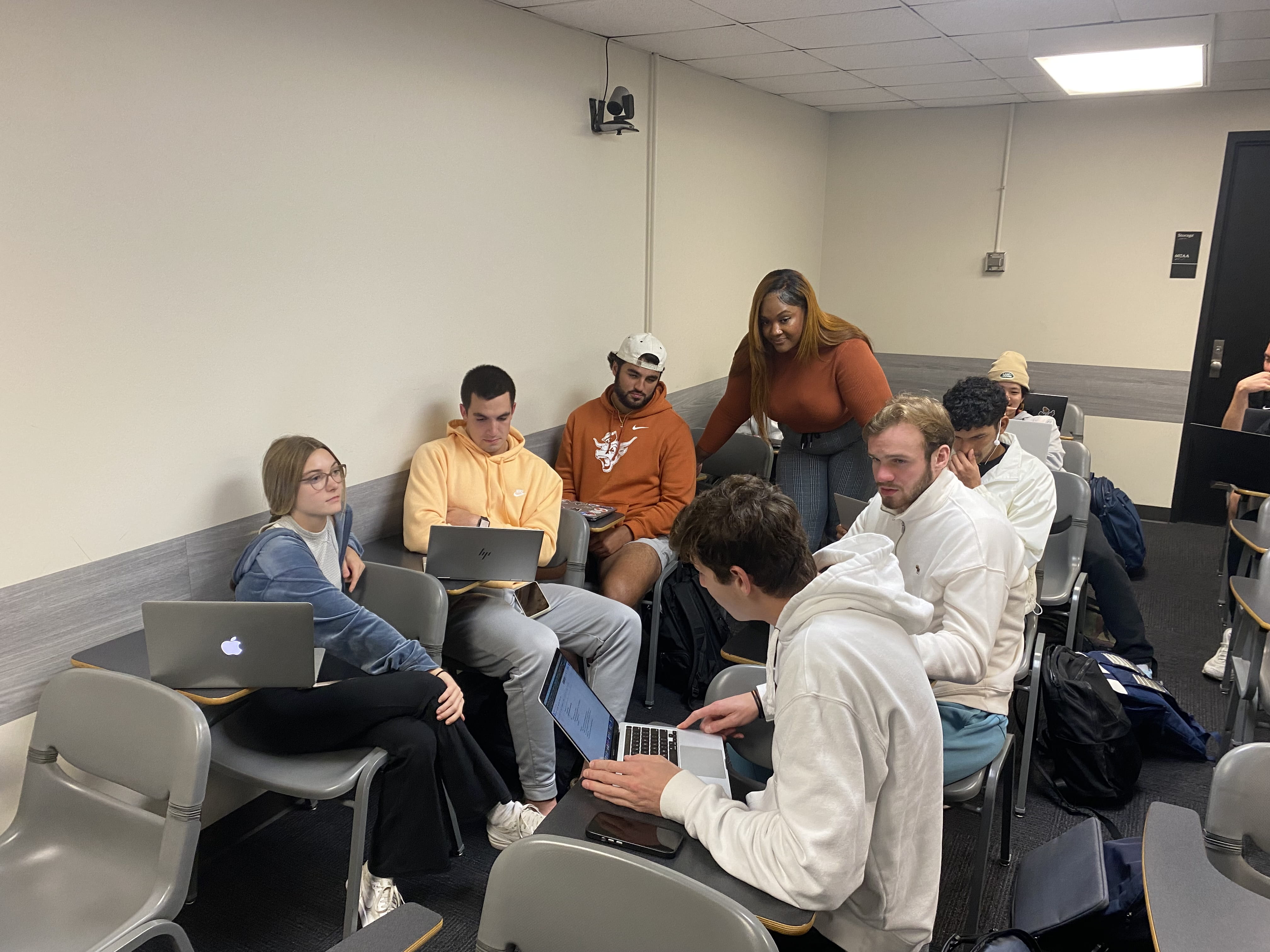
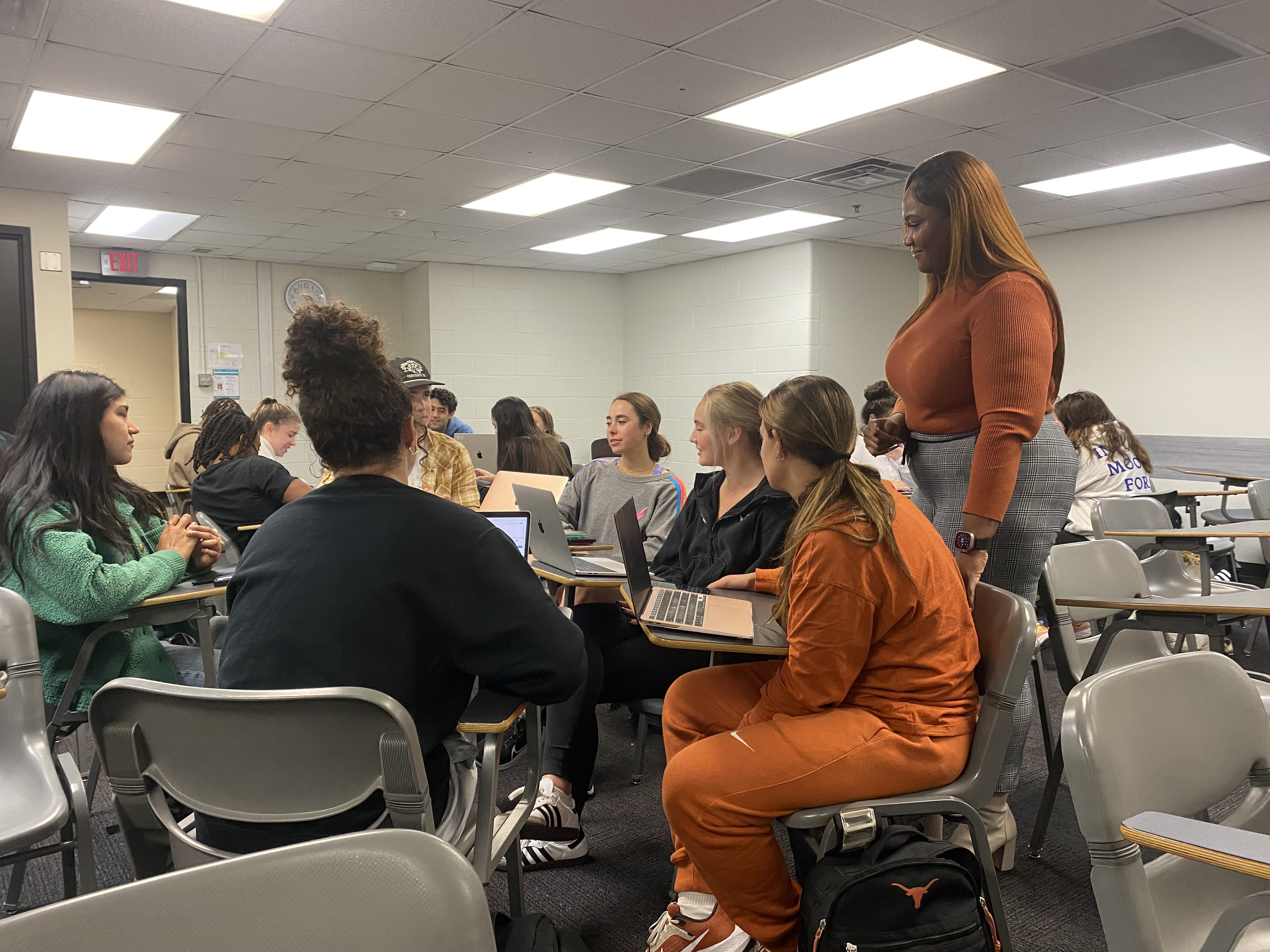
In this workshop, attendees examined the concept of intersectionality as it applies to building inclusive social groups and movements. Intersectionality refers to how our multiple identities change how we experience the world, and what that means as we work to build inclusive schools, organizations, workplaces, and communities. During this time, we specifically challenged attendees to think about what true equality means. We had them identify and reflect on the various ways they identify socially, how those identities became visible or more keenly felt at different times, and how those identities impacted the ways others perceived or treated them. One speaker asked those in attendance complete a worksheet where they fill in various social identities (such as race, gender, sex, ability disability, sexual orientation, etc.) and further categorize those identities based on which matter most in their self-perception and which matter most in others’ perception of them. Afterwards, we did a team building activity where they were divided into groups and charged with creating an activity where everyone, regardless of their identity or ability, would be encouraged to participate and can be successful. In the end, all visitors were able to leave with a better understanding of intersectionality and able to apply inclusive practices in their respective organizations.
Venue:
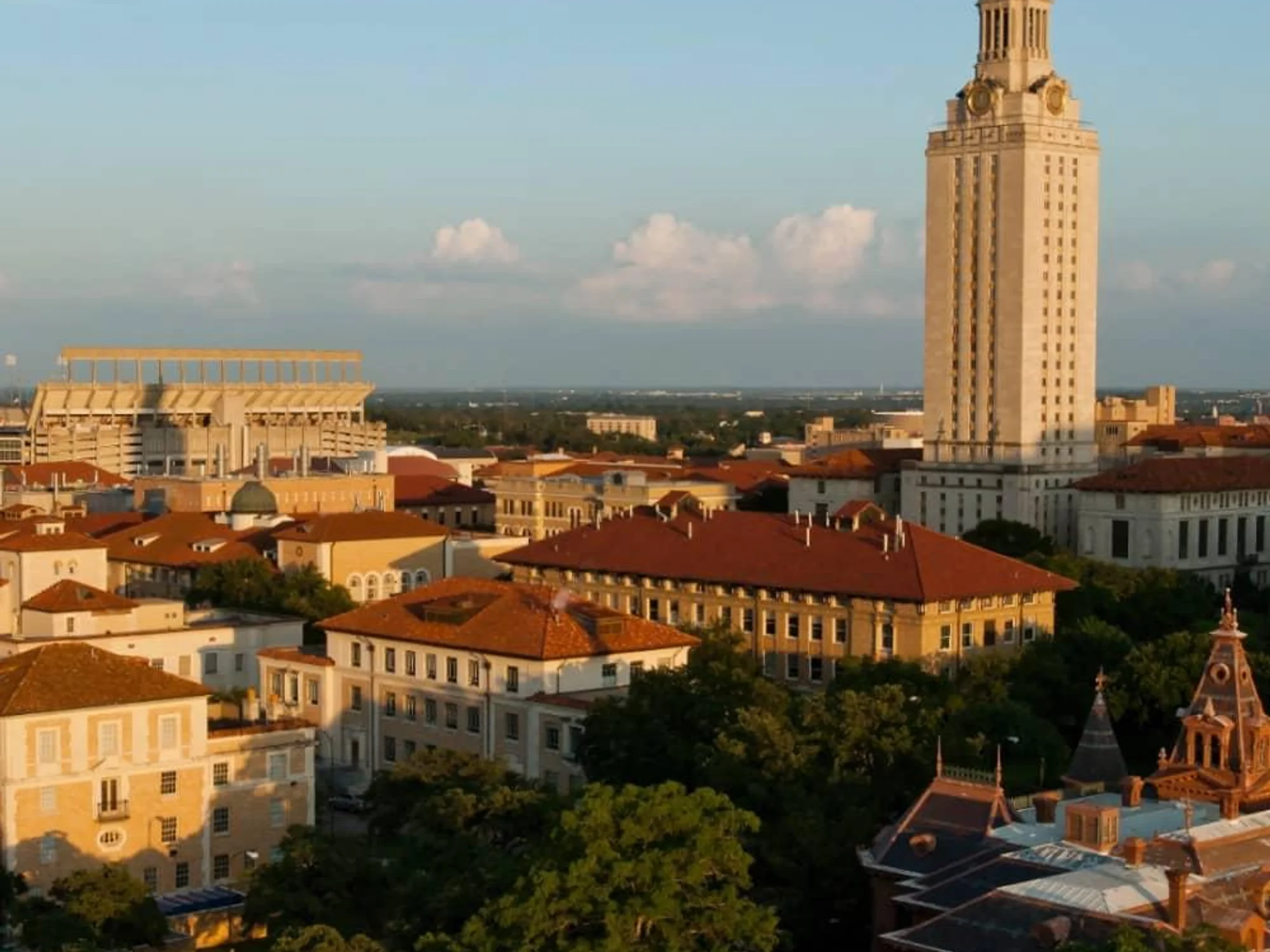
University of Texas at Austin, 2109 San Jancito Blvd, Austin, TX 78712, USA
VISA:
U.S. Visas (state.gov)In order to ensure the information is correct and up to date, there may be changes which we are not aware of. And different countries have different rules for the visa application. It is always a good idea to check the latest regulations in your country. This page just gives some general information of the visa application.
US Visa Information
The B-1/B-2 visitor visa is for people traveling to the United States temporarily for business (B-1) or for pleasure or medical treatment (B-2). Generally, the B-1 visa is for travelers consulting with business associates; attending scientific, educational, professional, or business conventions/conferences; settling an estate; or negotiating contracts. The B-2 visa is for travel that is recreational in nature, including tourism; visits with friends or relatives; medical treatment; and activities of a fraternal, social, or service nature. Often, the B-1 and B-2 visas are combined and issued as one visa: the B-1/B-2.
Application Items
If you apply for a business/tourist visa, you must pay your $160 application fee and submit the following:
- A Nonimmigrant Visa Electronic Application (DS-160) Form. Visit the DS-160 web page for more information about the DS-160.
- A passport valid for travel to the United States with a validity date at least six months beyond your intended period of stay in the United States (unless country-specific agreements provide exemptions). If more than one person is included in your passport, each person desiring a visa must submit an application.
- One (1) 2 x 2 inches (51 x 51 mm) photograph taken within the last six months.
- If a visa is issued, there may be an additional visa issuance reciprocity fee, depending on your nationality.
In addition to these items, you must present an interview appointment letter confirming that you booked an appointment through this service. You may also bring whatever supporting documents you believe support the information provided to the consular officer.
Supporting Documents
- Invitation letter from business or school.
- Detailed CV or resume including a list of publications.
- Complete itinerary, including all meetings, conferences, and visits; include names, addresses, and telephone numbers of your hosts.
- For other materials, please refer to the U.S. Embassy or Consulate website.
NOTICE:
Should your application be denied, the organizing committee cannot change the decision of visa officer, nor will ICGPSH engage in discussion or correspondence with the visa application center on behalf of the applicant. The registration fee CANNOT be refunded when the VISA application of individual being denied.
Important Info
Template:
Key Dates:
Final Submission Deadline: October 06, 2023
Notification of Acceptance: 7-20 workdays
Conference Date: October 13, 2023
Venue:
Oxford, UK
Newcastle, UK
Washington, USA
Austin, USA
Galati, Romania