Workshop Title:
Intercultural Communication and the Risk of Aberrant Decoding
Date:
October 9th, 2023 (UTC+3)
Organizer:
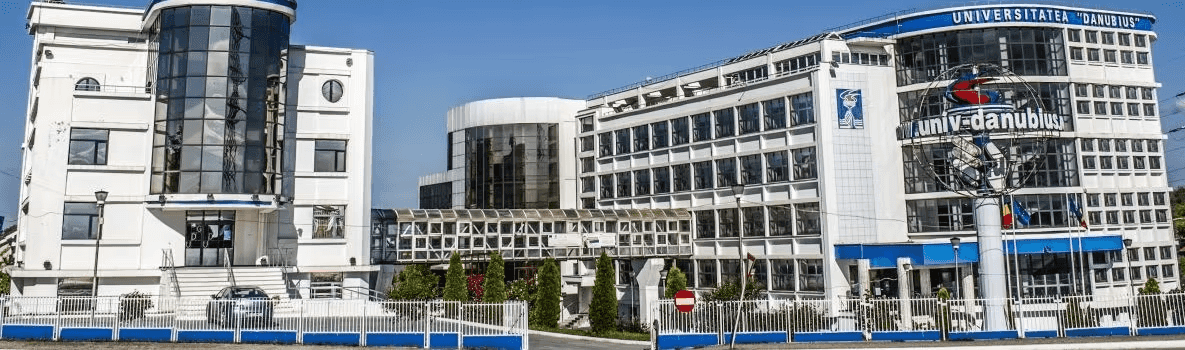
Danubius University of Galaţi
Keywords:
- Intercultural communication
- Aberrant decoding
- Culture
- Historical language
- Semiotics
Workshop Chair:
Personal Bio:
Cristinel Munteanu (PhD 2006 and 2018) is currently full professor at "Danubius" University of Galați (Romania) and director of the Center for Hermeneutics "Symbols and Texts" at the same university. He is also affiliated to the Doctoral School of Philology, within IOSUD University of Pitești. He earned his first PhD (in philology) in 2006 with a thesis on phraseological synonymy in Romanian and his second PhD (in philosophy) in 2018 with a thesis on John Dewey's "theory of inquiry" considered as a sui generis type of hermeneutics. His main research interests lie in phraseology, text linguistics, hermeneutics, semiotics, philosophy of language and the history of linguistic ideas, with a special focus on Integral Linguistics. His books include Sinonimia frazeologică în limba română (2007), Lingvistica integrală coşeriană (2012), Frazeologie românească (2013), Tradition and Innovation in Language and Linguistics (Peter Lang, 2017), John Dewey și problema sensului (2019). He has published over 200 articles and edited texts by Tobias Peucer, Bogdan P. Hasdeu and Eugenio Coseriu. He also edited (in collaboration with Klaas Willems) the volume Eugenio Coseriu. Past, Present and Future (De Gruyter, 2021). He is the editor-in-chief of Acta Universitatis Danubius. Communicatio (Galați) and a member of the editorial board and/or scientific board of journals such as Fonetică și Dialectologie (Bucharest), Limba română (Chișinău) and Energeia. Online Journal for Linguistics, Language Philosophy and History of Linguistics (Zürich).
Workshop Description:
Background:
Intercultural communication is a very important and highly used notion nowadays due to the present complex reality it refers to. Since the terminological phrase "intercultural communication" involves the previous knowledge of two other concepts, communication and culture, both equally "polysemantic", it is necessary to establish, first of all, the "common core" for each of them in turn. At the same time, in relation to intercultural communication, one should take into account the concept of "aberrant decoding" (previously coined and launched by Umberto Eco), which has proven itself useful in this field, as a subject on the rise nowadays.
Goal/Rationale:
One of those who have greatly contributed to the spread of the term / concept "aberrant decoding" (initially theorized by Umberto Eco) was John Fiske, a prominent Anglo-Saxon specialist in communication and a great promoter of Communication and Cultural Studies. Although, the concept of «aberrant decoding» has proven itself useful in intercultural communication, however, we have found that (due to J. Fiske, mainly) the concept in question is applied in a reductionist manner, the linguistic / verbal component being neglected (or even ignored) in this case. Nevertheless, as we shall see, this was not U. Eco's intention. Thus, the goal of our workshop study is to re-evaluate the concept of «aberrant decoding» behind the term aberrant decoding, trying to restore its original meaning and define it more precisely. At the same time, we will try to prove the fact that linguistic aberrant decoding also appears in the case of terminologies and ideologies when they are expressed in a discourse.
Scope and Information for Participants:
In this workshop, with the help of our contributors, we aim at:
- re-evaluating the concept of 'aberrant decoding' beyond the term aberrant decoding, while trying to re-establish its primary / initial meaning;
- better defining this concept, with an emphasis on the importance of 'context' in the case when such a type of decoding occurs;
- proving the importance of verbal communication as compared to non-verbal communication;
- showing (in spite of what John Fiske stated) that, in the case of verbal communication, the phenomenon of aberrant decoding is not accidental, but quite frequent; in this regard, we will try to find and provide many convincing examples.
Highlights:
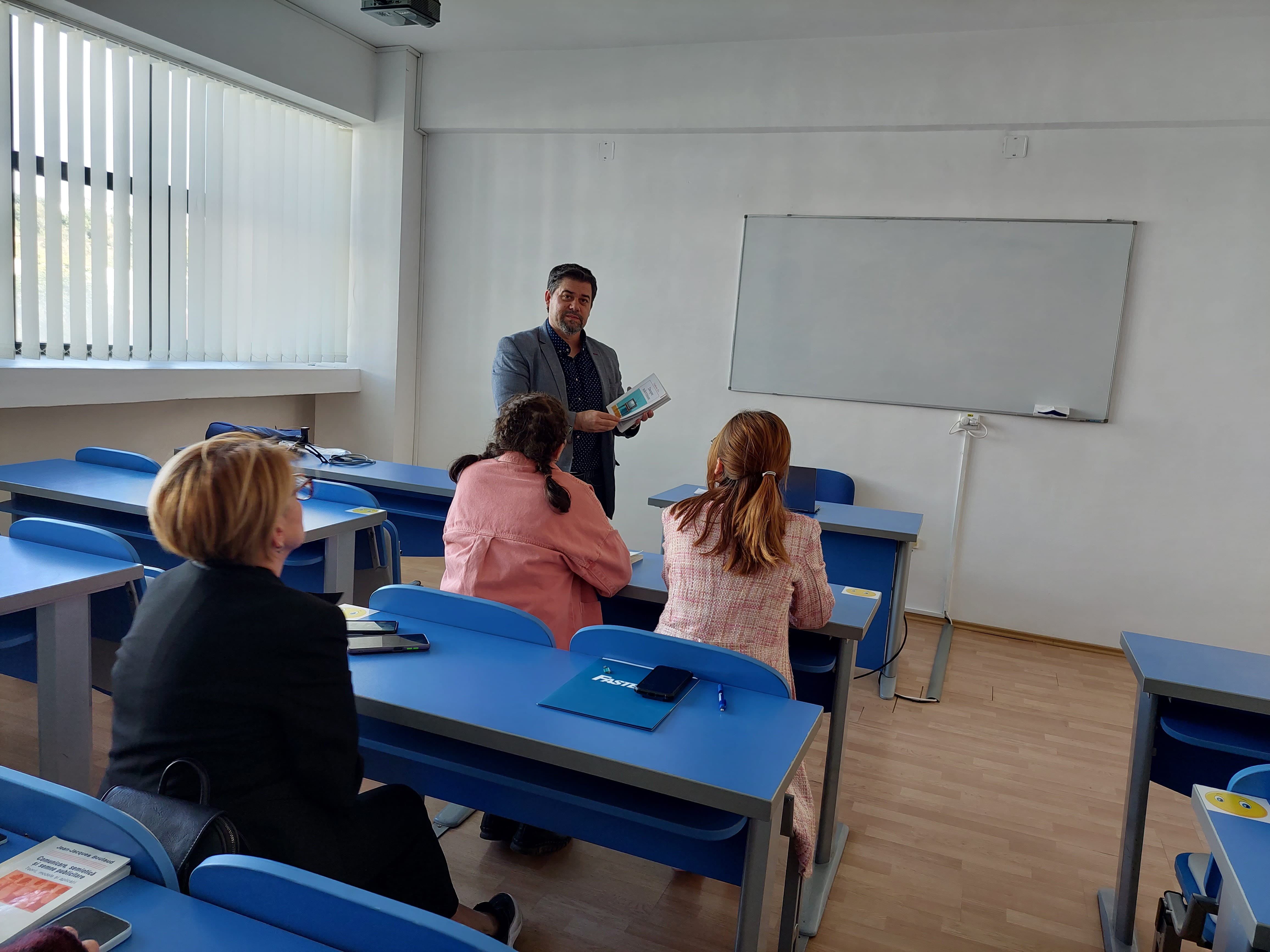
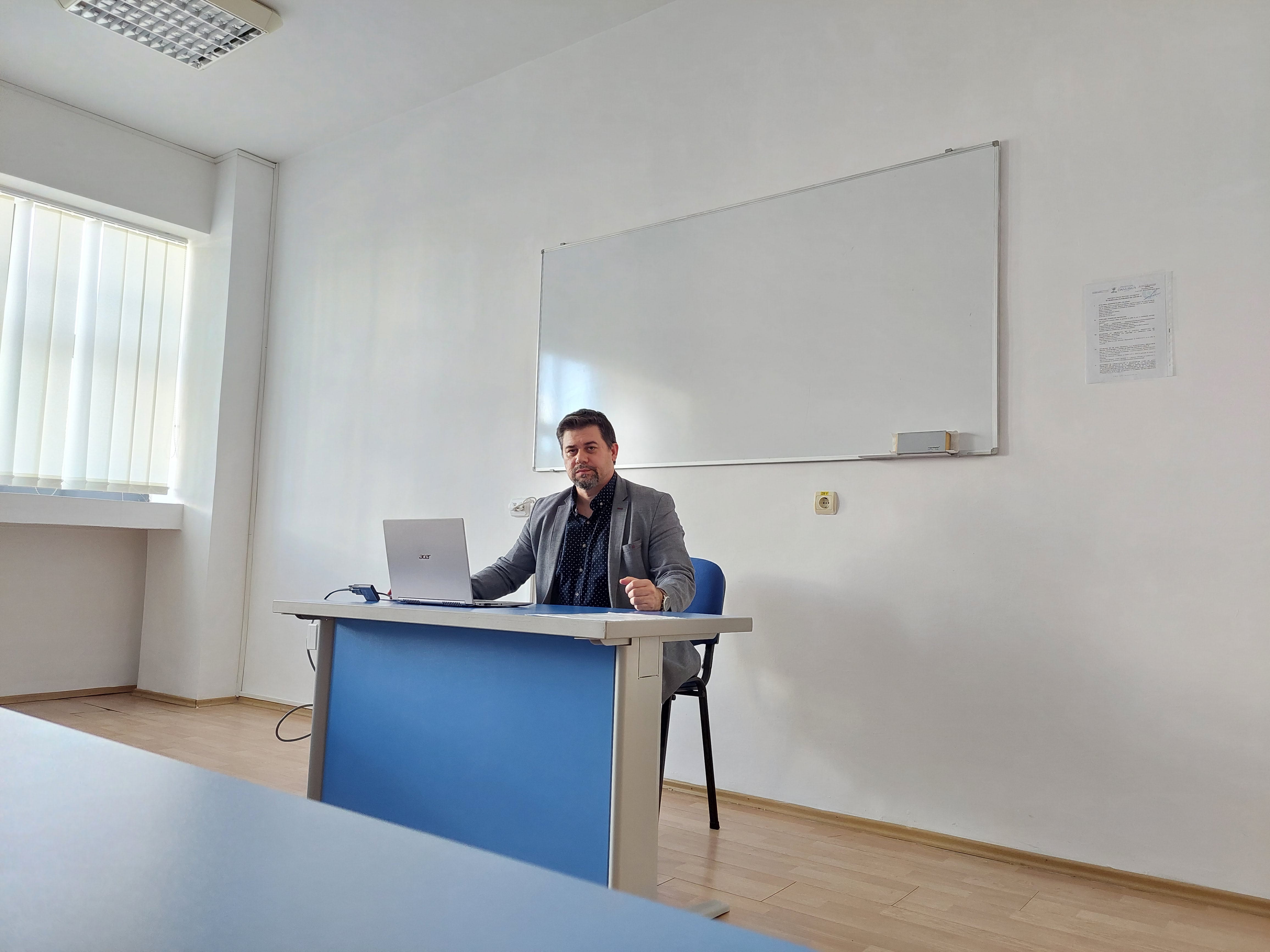
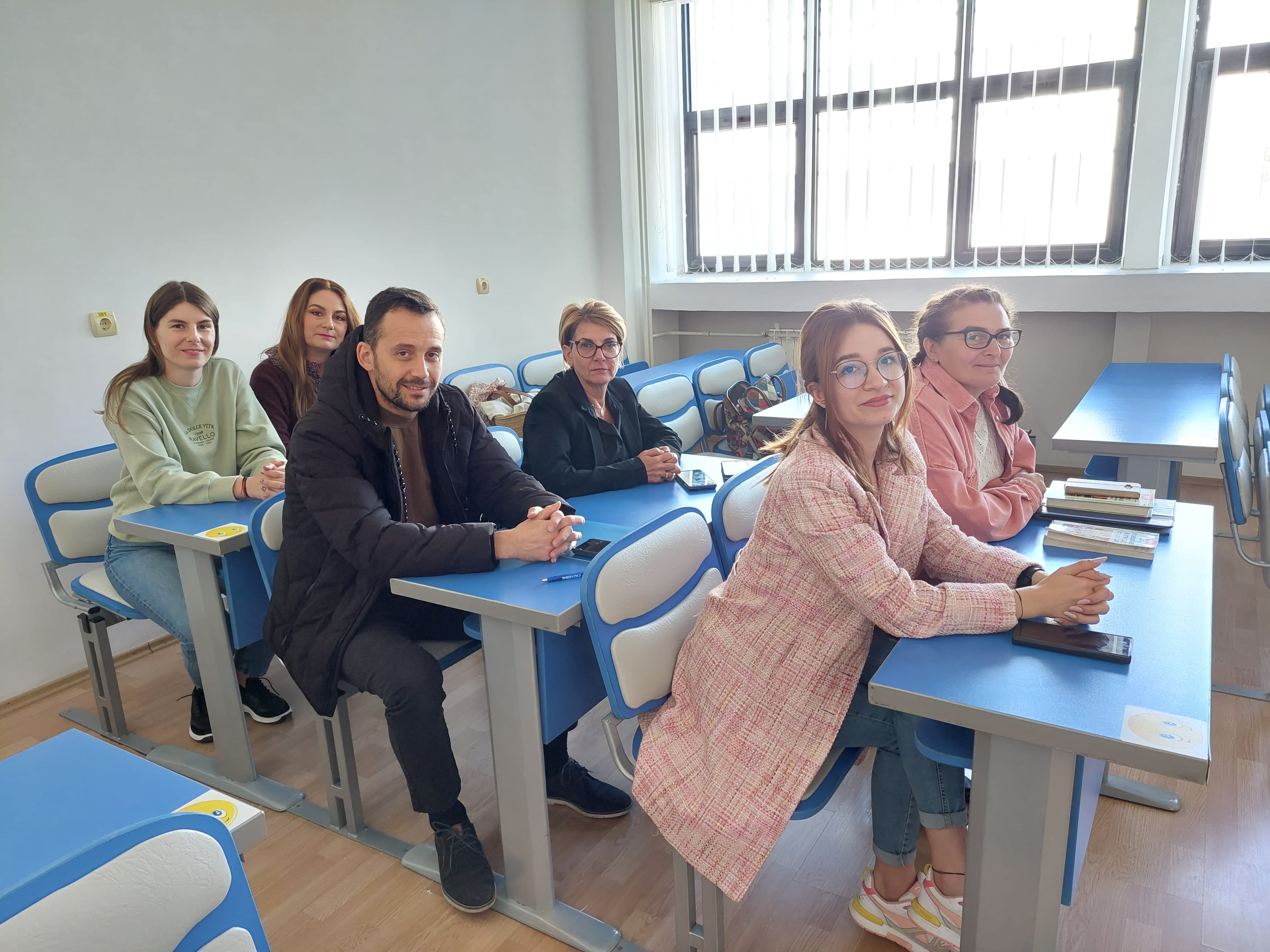
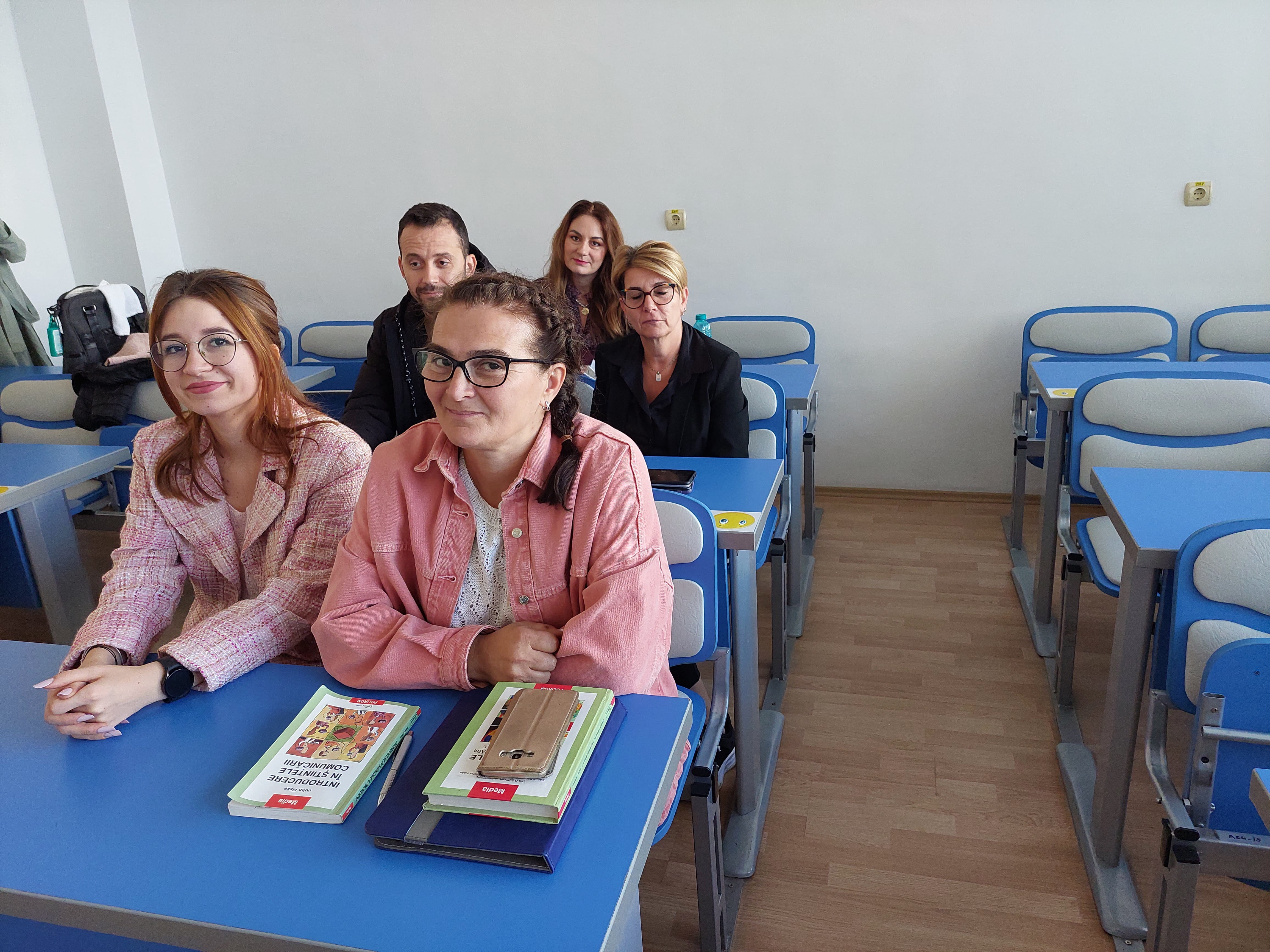
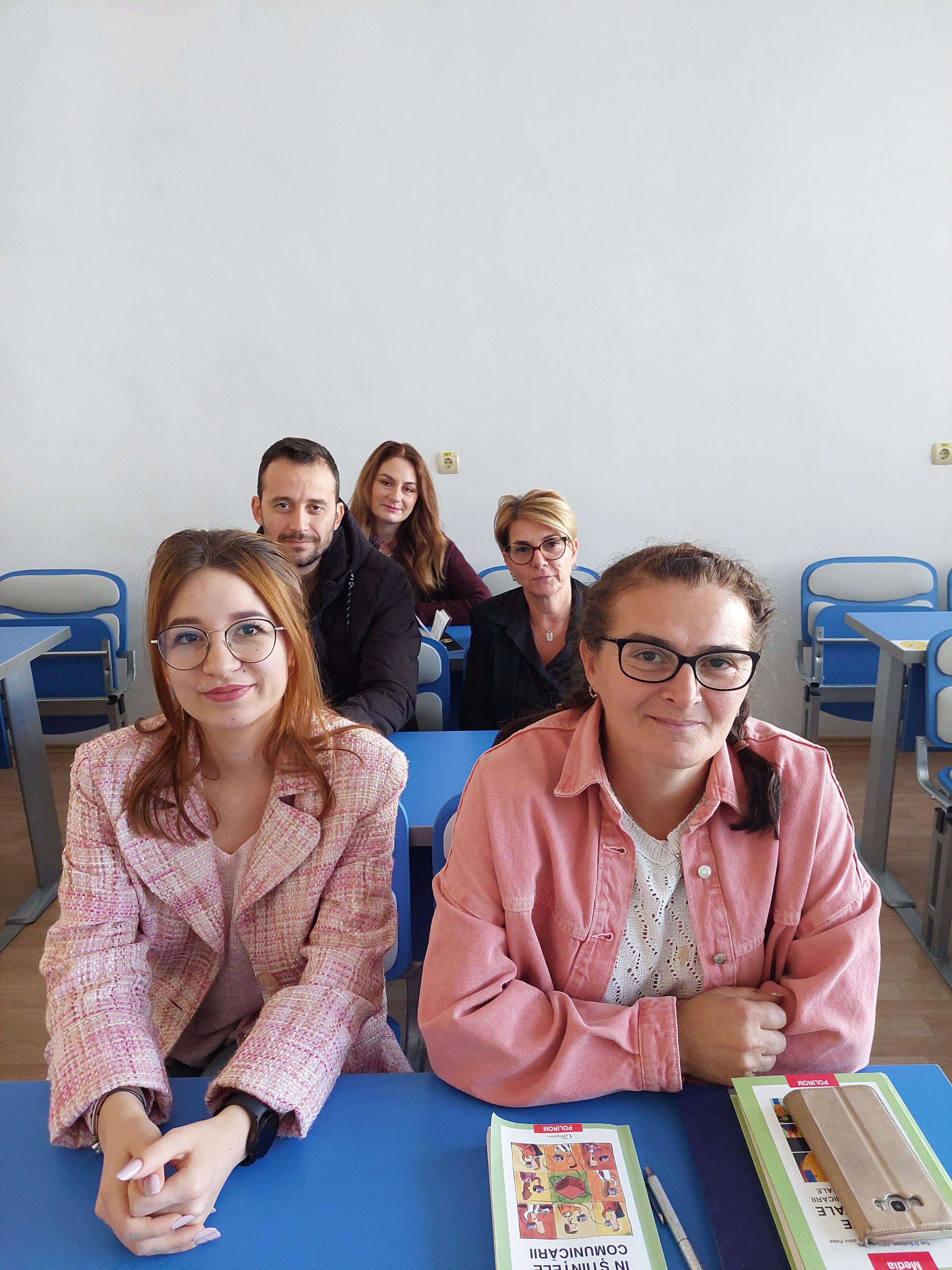
The workshop Intercultural Communication and the Risk of Aberrant Decoding, which took place on October 9th, 2023 at "Danubius" University of Galați, aimed at re-evaluating the concept of 'aberrant decoding' (initially theorized by U. Eco), while trying to re-establish its primary meaning, and better defining this concept, with an emphasis on the importance of 'context' in the case when such a type of decoding occurs. The participants, guided by Professor Cristinel Munteanu, PhD, vividly discussed some interesting aspects in connection to the reality of intercultural communication, taking as a point of departure a series of examples given by Prof. Cr. Munteanu, either from history (real examples), or from literature (imaginary examples). Although the notion of 'aberrant decoding' has proven itself really useful in intercultural communication, however, the participants also found out that (due to J. Fiske, mainly) the concept in question is still applied in a reductionist manner, the linguistic or verbal component being neglected (or even ignored) in this case. Nevertheless, as it was pointed out during the workshop, this was not Umberto Eco's intention. At the same time, the participants tried to prove (and succeeded in proving) the fact that linguistic aberrant decoding also appears in the case of terminologies and ideologies when they are expressed in a discourse.
Access to Workshop:
ICGPSH 2023 Workshop -- Galati - YouTube
Venue:
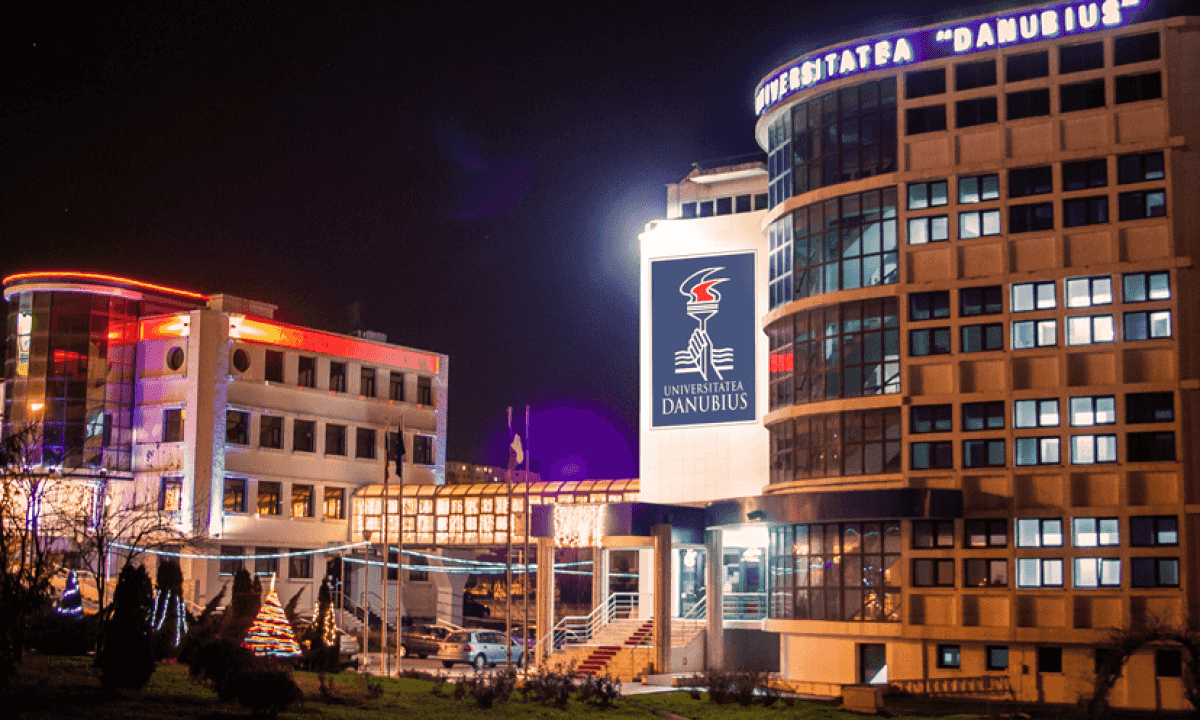
Danubius University of Galați, Bulevardul Galați 3, Galați 800654, Romania
VISA:
Acasa (mae.ro)Officials who hold diplomatic, service and official passports, as well as their family members, who travel to Romania for official purposes, can directly contact the chosen diplomatic mission/consular post of Romania. The contact details of the diplomatic missions and consular posts of Romania can be consulted here.
It is highly recommended that visa applications be lodged at least 2 weeks before the estimated date of departure and not more than 3 months before that date. The date from which the period of taking a decision upon a visa application is the date when the visa applicant presents oneself at the diplomatic mission/consular post of Romania.
Before you begin
In order to be able to apply online you must:
- Have a valid e-mail address
- Use a computer which fulfills certain technical requirements. For further information see About the E-VIZA portal.
- Have the possibility of uploading the required supporting documents.
If you wish to print or save a copy of your application you must have access to Acrobat Reader or other similar .pdf readers.
Attachments
It is advisable that your supporting documents be translated into Romanian or English by an authorized translator. All documents you submit must be legible. All attached documents must be presented in original and copy when you visit the Romanian diplomatic mission / consular post.
- Each document must not exceed 2 Megabytes (2 MB).
- Only Latin characters are allowed in the filename.
- We accept files in the following formats: jpeg, jpg, tif, png, bmp, txt, rtf or pdf.
How it works
The visa application consists of a number of fields which you have to fill in. Note that you cannot use the "back" and "forward" buttons from your browser (e.g., Internet Explorer). Use only the buttons in the electronic form to move forward and backward between pages.
Visa applications can be lodged only individually. In case more people travel together, each person must apply for an individual visa. In addition, please note that individual visa applications must be lodged for people included in the same travel document (e.g.: underage children included in the parents' travel documents).
If you started registering an electronic application file it is possible to interrupt the application process and save it. You can resume the registration and continue filling in the application at a later stage. An application saved temporarily is stored for 30 days.
When your visa application is decided upon, you will receive a notification by e-mail to the address you supplied when you started your application.
Important Info
Template:
Key Dates:
Final Submission Deadline: October 06, 2023
Notification of Acceptance: 7-20 workdays
Conference Date: October 13, 2023
Venue:
Oxford, UK
Newcastle, UK
Washington, USA
Austin, USA
Galati, Romania